If you have not read my post on Viaterra claw saddle bag, you can read here.
The biggest concern is security.
What went wrong with the tail bag? Why hard panniers?
As I said in my previous post, the claw is an excellent choice for multi day trips-notwithstanding some of the drawbacks I found. Let me say again. The biggest concern is security. Anyone with a sharp blade can steal the contents or the whole bag. I do not want to ruin my solo multiday trips or to keep an eye “always” on the bag. Then, I do not want to carry the one big bag up to the upper floors of a hotel. Therefore, I began to search for some alternatives. No. I will continue to use the Viaterra claw when the conditions are ideal for that bag.
The hard panniers
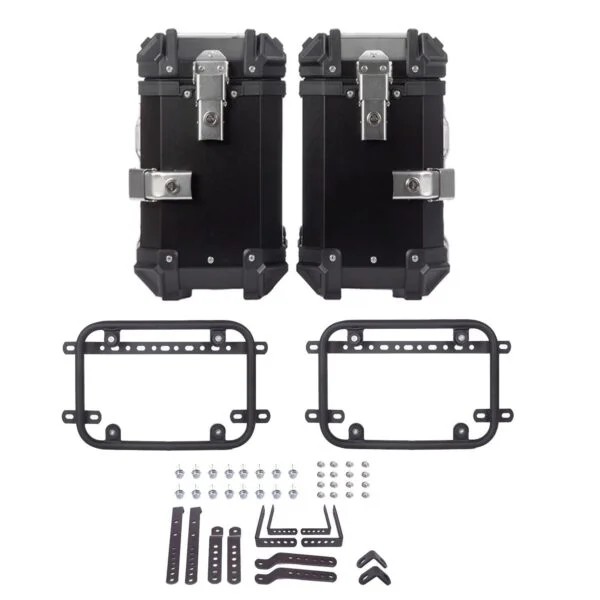
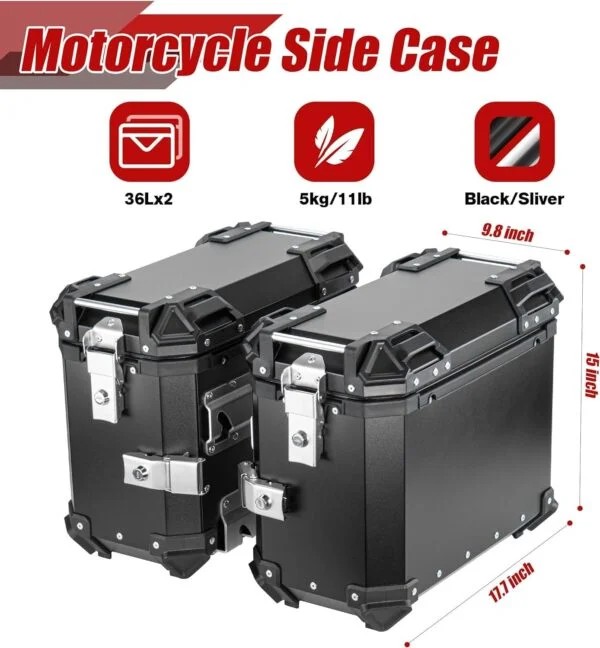
While searching for luggage with maximum security, I came upon the hard aluminium panniers. Further into the search, I reached this web page. After much deliberation and whatsapp chats with the sales team I zeroed in on this.
The panniers and hardware arrived without a scratch or a dent as the packing was excellent.
The sales team guided me through the details of the above set of panniers and accompanying hardware and clarified all my concerns (there were a few) regarding ordering online and the installation issues that may arise-I own a Honda CB 350, a relatives new entry in the market.
After the interactions with the sales team, I placed my order. The panniers and hardware arrived without a scratch or a dent as the packing was excellent. Five out of five stars for the seller.
The installation
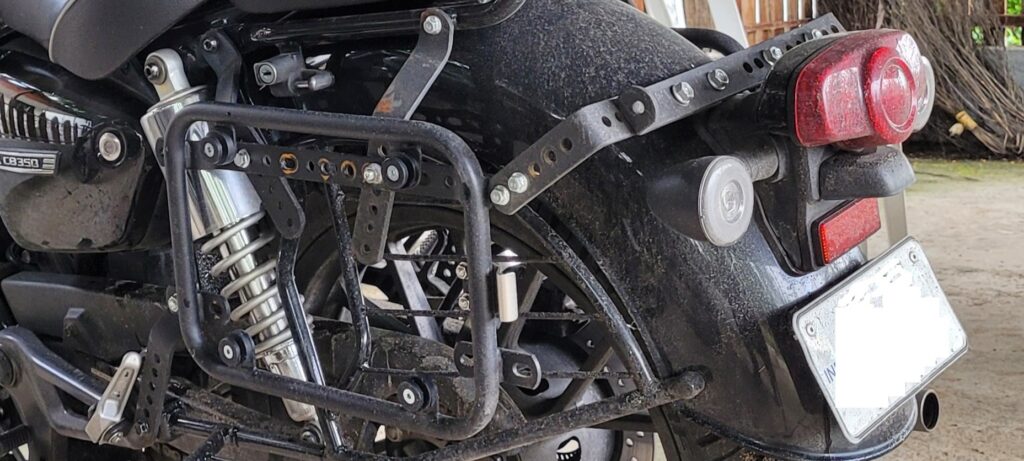
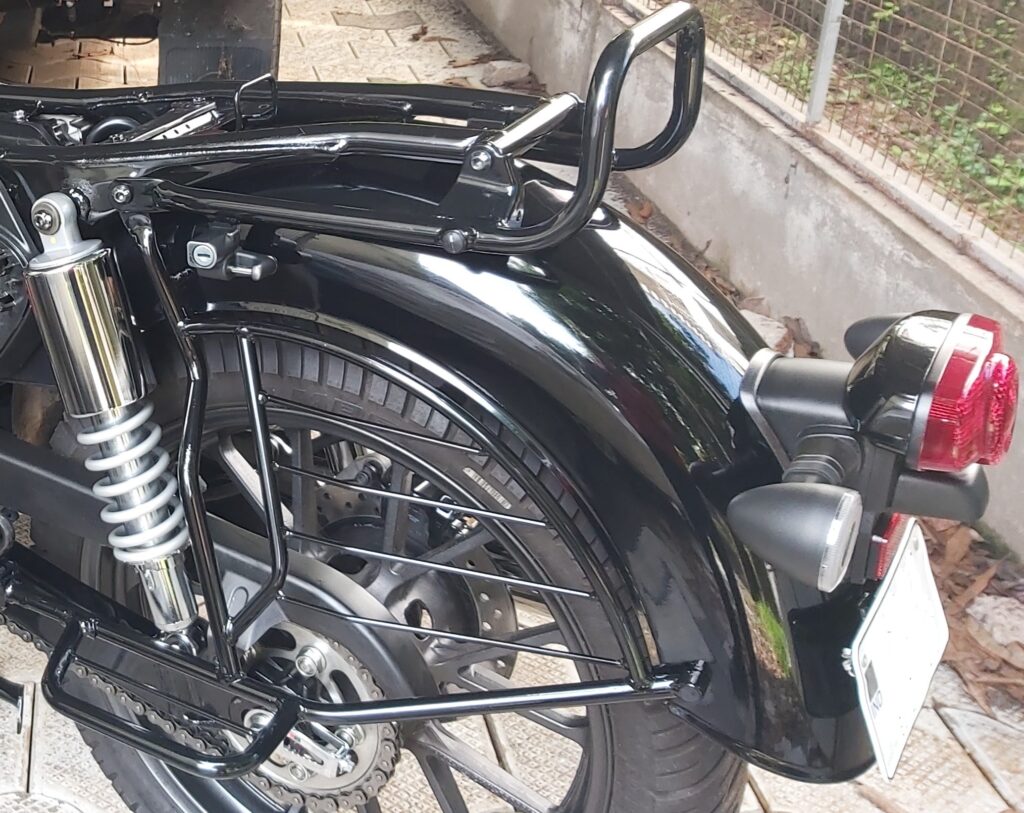
after a minor customization – jugaad I could easily install the hardware
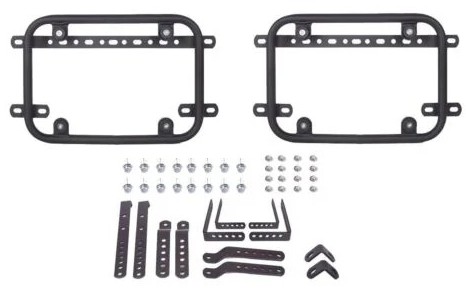
The hardware that came with the panniers is “universal”. Certainly that means it will fit most of the motorcycles in the market and for some bikes a little customisation – jugaad may be required.
The Honda CB 350 has all the necessary mounting points and after a minor customization – jugaad I could easily install the hardware and the panniers. The process was quite easy.
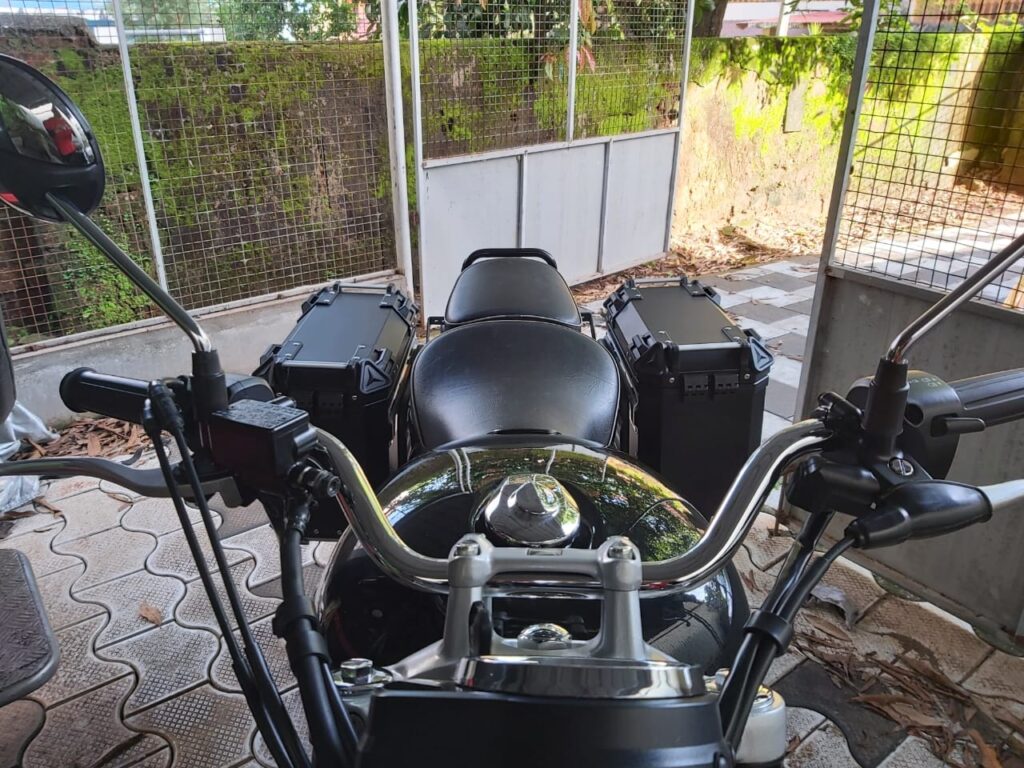
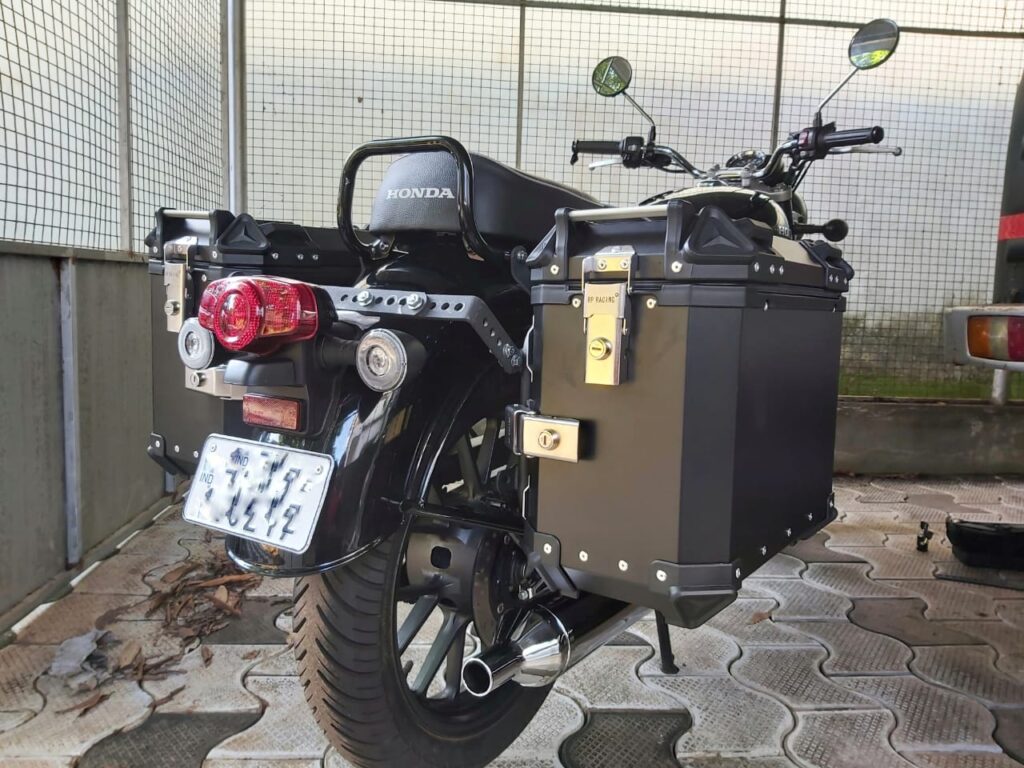
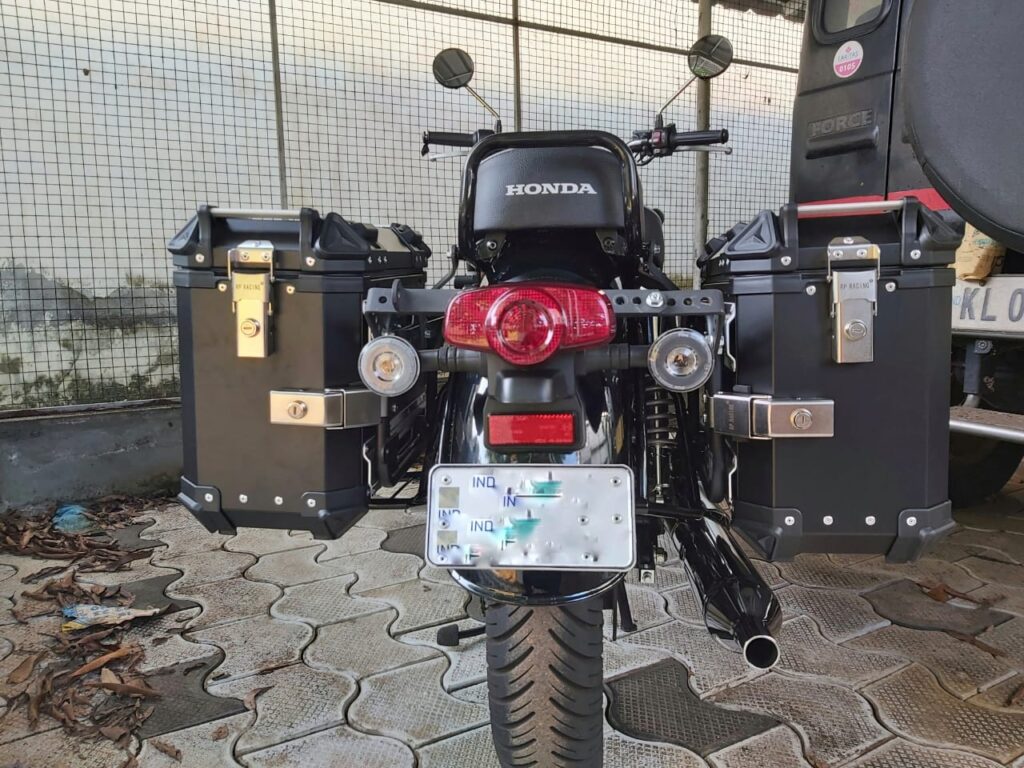
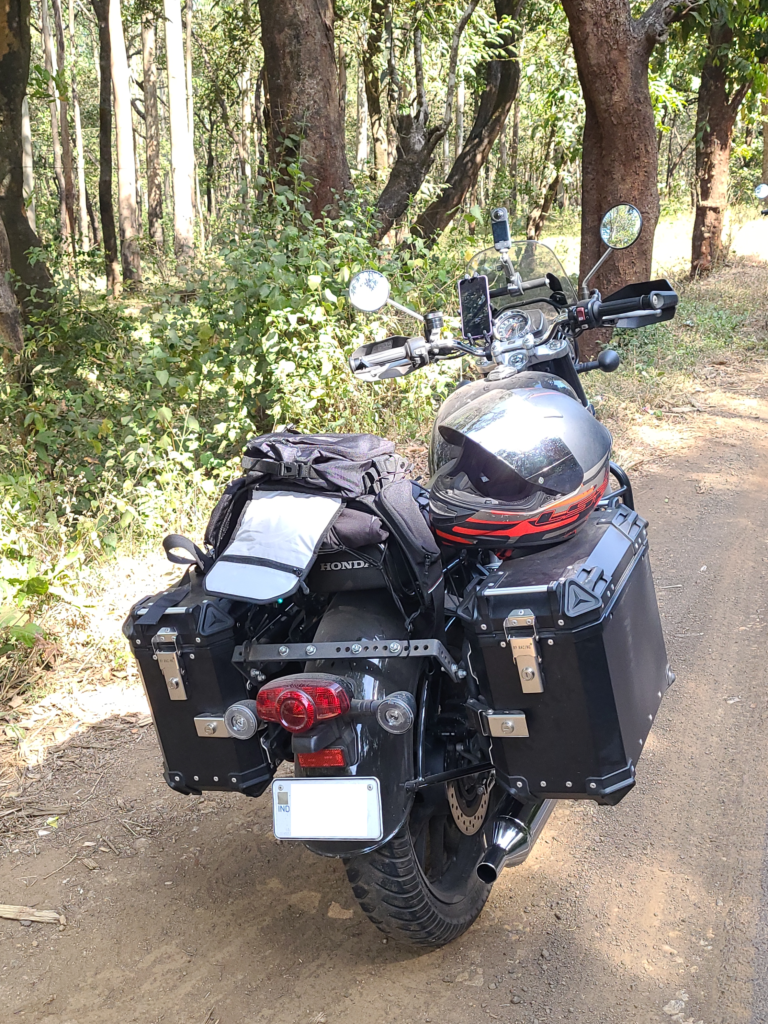
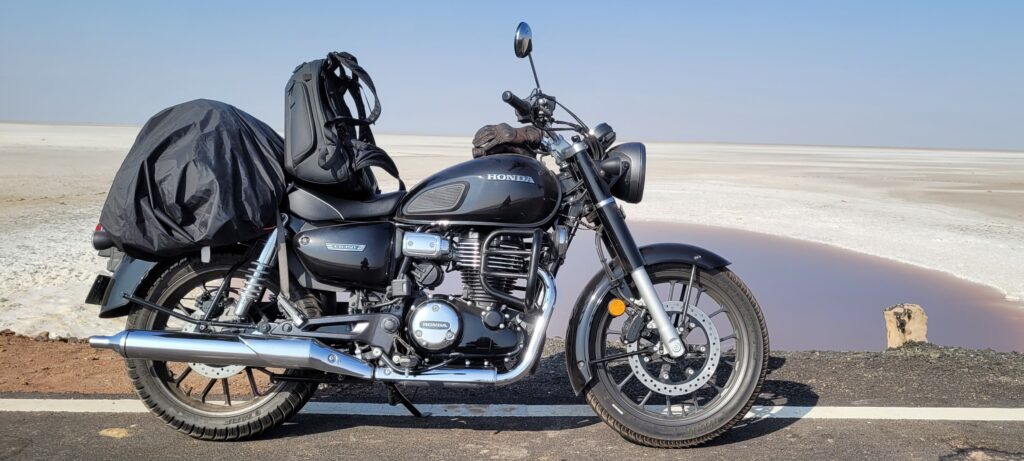
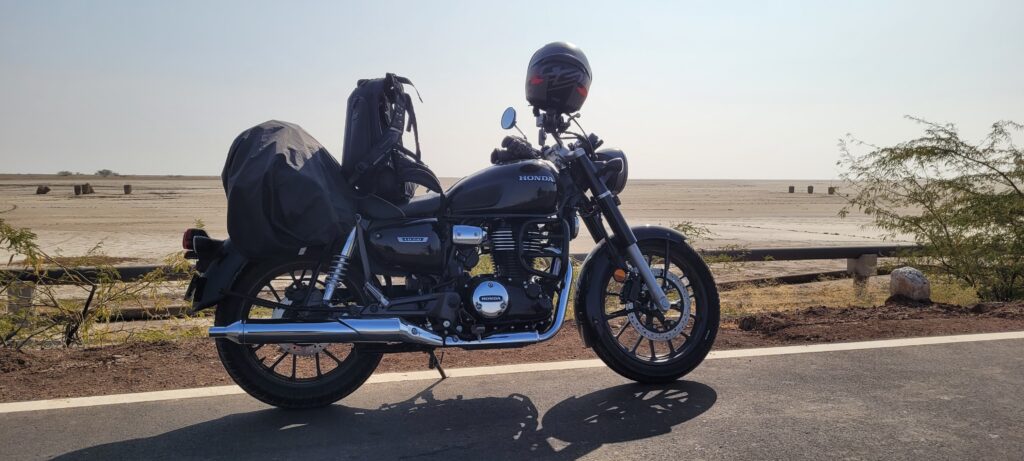
A few images after loading the panniers
On the road
exceeded all my expectations.
Rock solid over a distance of 11K plus kilometers over varied terrains.
Water proof-100 percent, in some of the heaviest rains.
No loose play at the mounting points on the saddle stay or at the hinges.
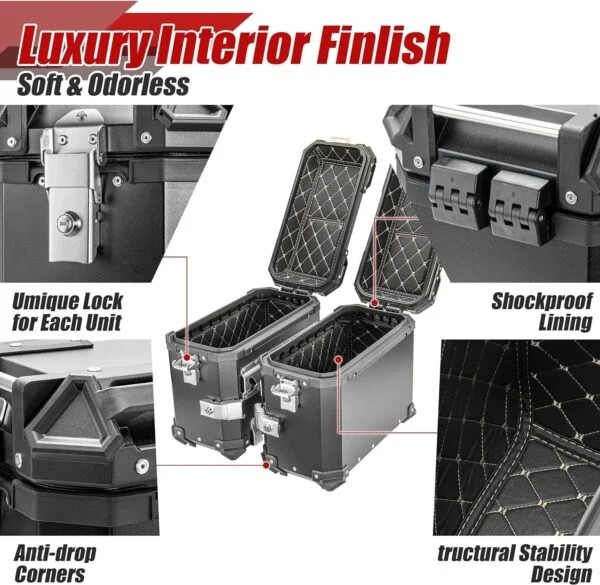
From day one till now the locks clicks perfectly when you lock or unlock.
No loose play on the locking mechanism – on the panniers or on the locking point on the saddle stay.
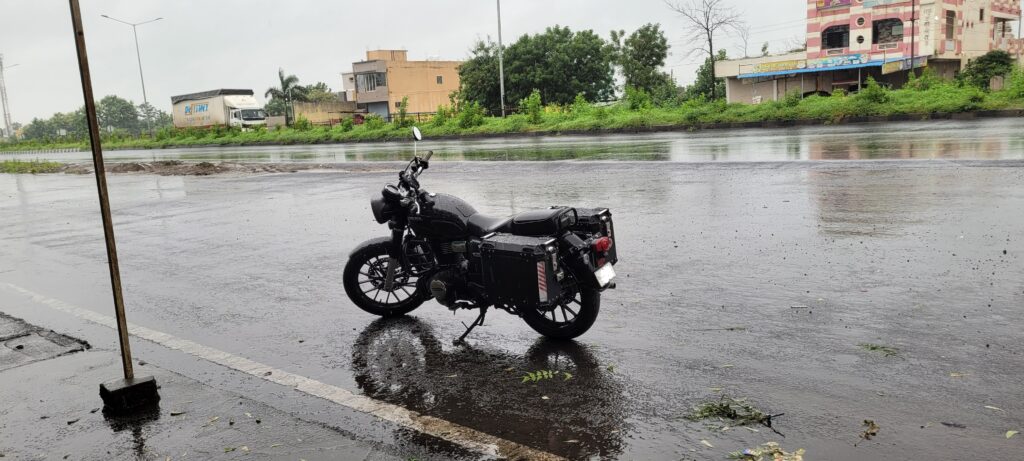
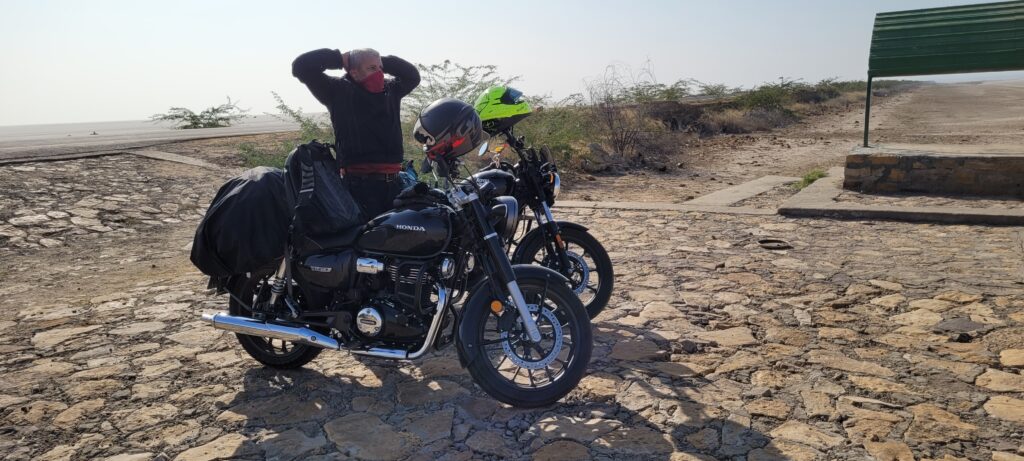
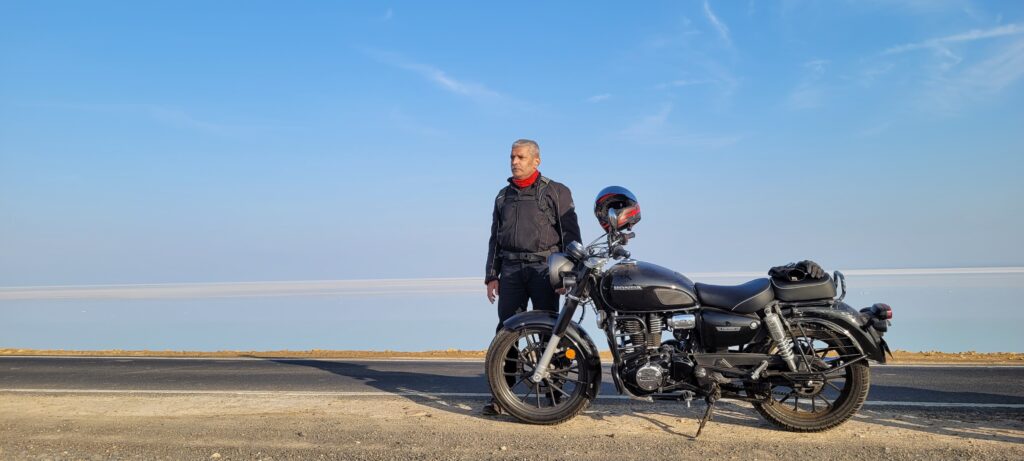
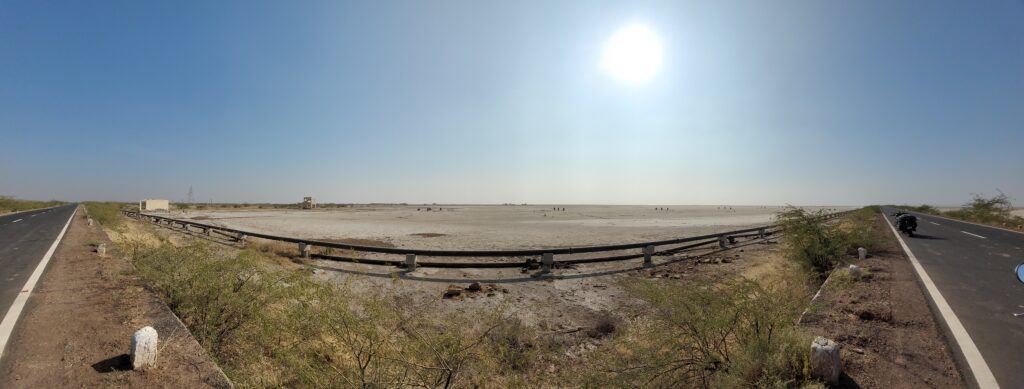
Here are a few images from my rides.
A small video clip:
The panniers are theft proof. You need a key-single key for the two boxes and for mounting on the saddle stay. Complete peace of mind when you park the bike leave for food or refreshments.
Therefore, after about 11k plus kilometers of use in real world conditions, this set of hard aluminium panniers is a keeper. Will use it on all my solo rides and on the rides where the secured luggage is a priority.
To their credit, the team helmetracing.in did a wonderful job from the initial selection of the panniers to the final installation. They always ready to take a call or answer a query in whatsapp. Special thanks to you team helmetracing.in
about 11k plus kilometers of use in real world conditions
BTW, I have no affiliation with the manufacturers or dealers/sellers any of the products that I review in my blog. Every product I review here is aquired by paying money from my own pocket. No unboxing reviews or reviews before using a product. Every product will be used by me for at least on one ride covering a minimum of 4k or 5k kilometers. In this case, I used the panniers for over 11k kilometers
Hi everyone. Welcome to my blog. Here is my take on motorcycle luggage for touring. No. Not another seemingly non ending debate over hard vs soft. This is my experience from using hard and soft luggage for more than 15k kilometers-over varied terrain, extremes of weather, ease of handling on and off the motorcycle and safety.
What I took for my first tour
I need a large capacity lugguage system, which will accommodate my cloths, tool kit, camera, lenses, tripod and rain wear.
My tours usually last more than a week and a few thousand kilometers. Obviously I need a large capacity lugguage system, which will accommodate my cloths, tool kit, camera, lenses, tripod and rain wear. Therefore, for my first long ride-to Dholavira from Varkala, a total of 4918 kilometers, I went for the Viaterra Claw.
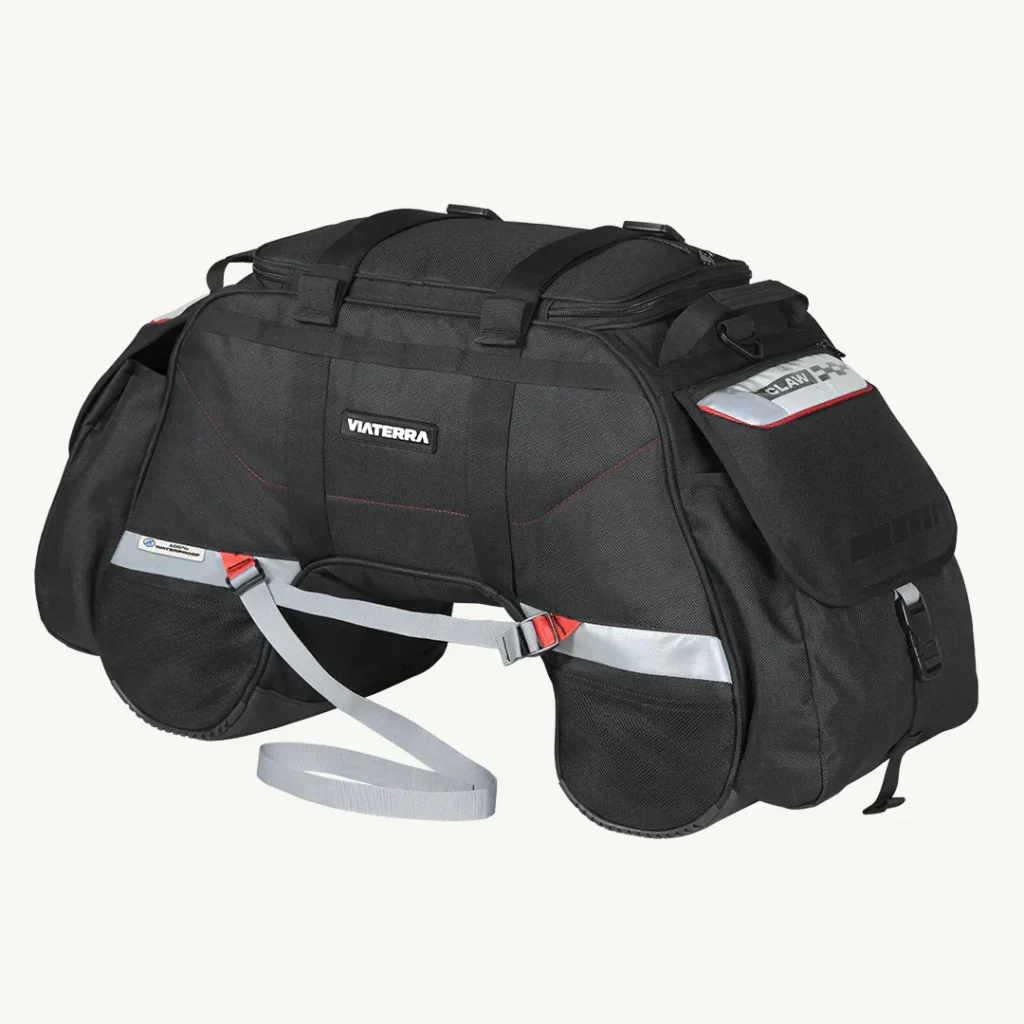
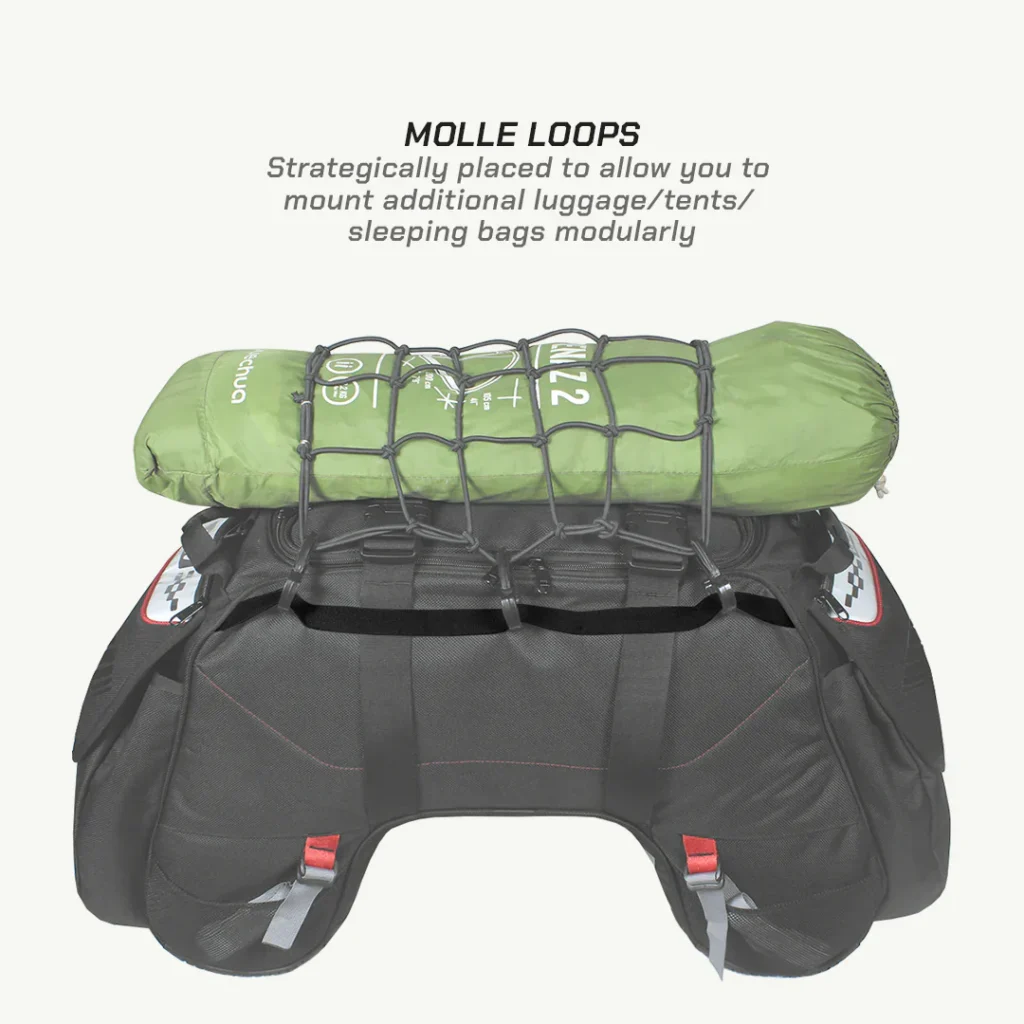
Images courtesy viaterra webpage
If you are interested in this saddle bag, you may have a look here
The claw comes in two capacities-72 liters and the mini 48 liters . Since my ride was more than two weeks, I went for the larger one.
Advantages of this system
Large capacity
No additional hardware or saddle stay required.
Cavernous capacity. Can carry all your equipments, tools, cloths …everything that you need for a loooong tour.
Water proof and comes with a rain cover.
Compartment for documents.
Side pockets- 2x, on either side to carry Jerrycans up to 5 liters in capacity for fuel.
Shoulder strap to carry the bag.
Two tough handles to carry the bag. Innovative strap system to fix the bag on the bike.
These went inside and there was still more space.
Cavernous capacity. Can carry all your equipments, tools, cloths …everything that you need for a loooong tour.
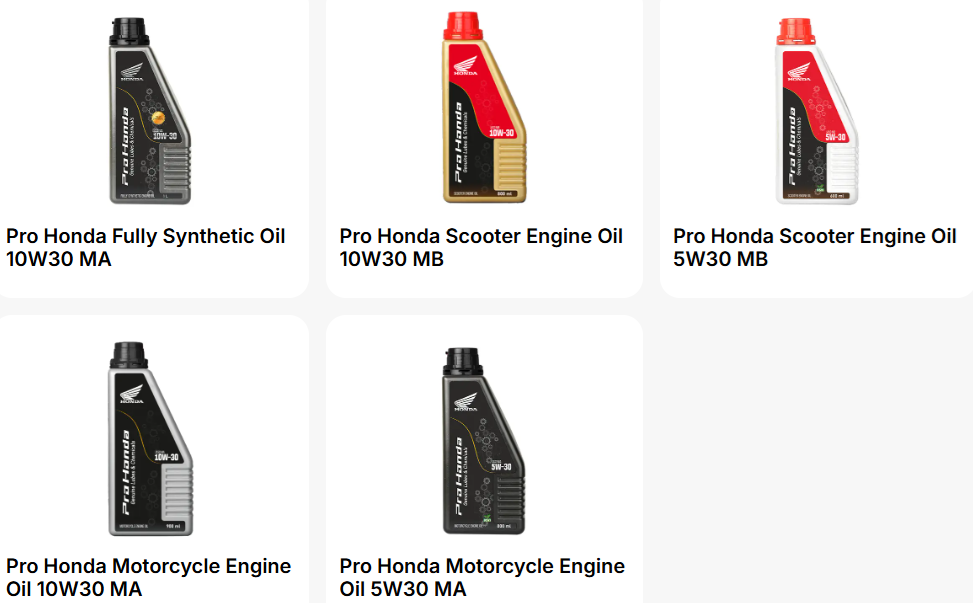
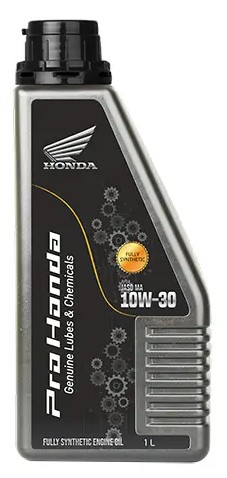
Two one liter bottles of Pro Honda engine oil.
Tool kit.
Tire puncture repair kit.
Laptop and charger.
Two 5 liter petrol cans on either side in the external pockets.
Four pairs of trousers.
Six t shirts. Underweares. One large towel. 750 ml bottle of waterless wash. Microfiber towels x 4. Large power bank and an external hard disk.
Chargers for my camera batteries and mobile phone.
One foot pump
Disadvantages
Will become a bit heavy to carry off the bike to the hotel room and back to the bike.
If there is no lift in the hotel – once I hade to carry this up to the fourth floor in a holiday home (excellent strength training for my legs. Really enjoyed it), this can be a little bit of annoyance.
This bag is not rigid. Hanging parts can easily scratch the paint. A few pieces of strategically placed cellophane tapes saved my bike’s paint.
Cannot lock your bag. No safety. With a sharp object anyone can cut open the bag and steal the contents. Or the straps and the whole bag. Need to keep an eye on the bag always.
A little difficult to wash off the road grime after your tour.
To its credit, the viaterra claw performed exceptionally well. Full protection to the contents from inclement weather. Spacious enough to carry everything and more you need for a long tour. Tough as nail construction.
Here are images from my own ride
Will I continue use this?
Yes. If I can keep an eye on the bike all the time. Or if I have another rider with me, who can keep an eye on the bag while I need to spare a few minutes away from the bike. However, that rider may be engaged in his own activity precisely at the same time. So…….read about my hard luggage here in part 2 of this page.
BTW I have no affiliation with the manufacturers or dealers/sellers any of the products that I review in my blog. Every product I review here is aquired by paying money from my own pocket. No unboxing reviews or reviews before using a product. Every product will be used by me for at least on one ride covering a minimum of 4000 kilometers.
Installed a chain oiler in my Honda CB 350. This is generic version of a famous design.
The main unit/oil reservoir. Mounted on the classic position for this type of oiler
Routing of the tube that takes oil from the reservoir to the rear sprocket
The oiler drips oil on the sprocket
Why?
A chain in a motorcycle is in perpetual motion – when you ride the bike.
A chain in a motorcycle is in perpetual motion – when you ride the bike. The chain thus keep on wearing down every time you ride your motorcycle. Old time non ‘O’ ring, or the non “X” ring chains were in need of the consistent lubing to keep extending the service life of the rollers and pins to the maximum. Grease in a fully enclosed chain did the job almost perfectly.
Then came the innovation of the ‘O’ ring and the “X” ring chains. The space between the pins and rollers are filled with lubricant from the factory and the lubricant is “sealed” with ‘O’ rings, or the “X” rings.
Hot subject. Riders are fanatics when it comes to the subject of the right lube for the chain. A few swear by proprietary chain lubes. A few are fine with gear oil or chain saw oil. A few never lube their chains.
My thoughts.
The chain in a motorcycle is the link that transfers power to the rear wheel from the engine. Whether the chain is a ‘normal’ one, or has an ‘O’ ring or a ‘X’ ring is not a significant factor for the power transfer to the rear wheel. A properly lubricated, properly tensioned and properly aligned chain will be up to 98% efficient. In fact, among the three major types of final drive power transmissions in motorcycles – the chain drive, the shaft drive and the belt drive, the chain drive is the most efficient one. Since chains are lightweight, durable, easy to install and adjust, and highly efficient, most motorcycles have chains as the final drive for power transmission.
How to keep the chain at its maximum efficiency.
Once the chain is properly tensioned, aligned and cleaned the next step is to keep it well lubricated so that the rollers and sprockets glide over each other with the least possible friction. Modern chains with their seals take care of the inside of the rollers and the pins. Your job is to lube the interfaces of the plates, the rollers and the sprockets. When you understand this, the idea of not lubing the modern sealed chain goes down the drain.
The proprietary spray on lubes
The market is flooded with a plethora of chin lubes. These spray cans are a convenient way to carry your chain lube on long rides. At the end of the day, if required clean the chain and spray the lube while turning the wheel. Once every link of the chain is covered, you leave it overnight and in the next morning you are ready to go. These lubes do their job well if applied properly.
Gear oil
Gear oils are some of the the best lubes available on the market. They are formulated to keep the gears well lubricated, often under extreme pressure. These oils provide a strong film of lubricant on the contact points on a chain and the sprocket and keep the chain rust free. The application will take a little bit more time and effort than the application of a spray on chain lube.
Manufactures recommend gear oil as a lubricant, in addition to the spray on lubes.
My choice is the gear oil. Why?
Reason number 1.
For my Honda CB350, a set of new chain and sprockets will cost less than 2k INR. Some of the proprietary chain lubes will cost as much as 1.2 k for a can of 400ml! A liter of gear oil, for example the one I use costs 171 INR for 500ml!
I will not buy three to five spray cans of lube at prices ranging up to 1.2k INR per can for a chain and sprocket set that costs about 1.8k INR.
Reason number 2.
A perpetually moving chain needs the lube to be applied – well , perpetually. Hence gear oil scores over the spray on lubes.
A possible drawback of the above two methods
as the lube wears off the efficiency of the chain goes down.
The chain is in perpetual motion while the motorcycle is on the move. Usual practice is to do the lubing at some fixed intervals – whether spray on or gear/chainsaw oil. The drawback here is , as the lube wears off the efficiency of the chain goes down. It may not be noticeable. Nevertheless it does happen. Have you ever felt the ‘dry’ feeling at the end of the day?
The ultimate solution. The continuous chain lubing system
The continuous chain lubing system keeps the chain lubed whenever the motorcycle is on the move. This is accomplished by keeping the lube oil in a reservoir and draining the oil on the chain or on the face of the sprocket at predetermined intervals. Scottoiler is the most sophisticated one in the market. They have auto lube systems priced from about 15k INR to 50K INR. These systems use either engine vacuum or electronics to drip the lube on the chain or on the face of the sprocket. The Scottoiler systems requires tampering with the engine vacuum or the electricals of the motorcycle.
Why a generic semi auto chain oiler when technically superior oiling systems are available?
I hate to do any tampering on my motorcycle. As I wrote in my review of the CB 350, I feel this motorcycle is perfect. No need for, in fact you should not do , any mods on this motorcycle. The Scottoiler type systems requires either the engine vacuum tube or the wiring harness to be cut to connect the system. (At least this is what i understand from my limited knowledge of this type of oiler system. Correct me if I am wrong.) Hence I opted for the semi automatic chain lube system listed in the Amazon India pages. The original design of this is the COBRRA NEMO. The one I ordered is generic. The delivery was delayed by a few weeks, for reasons beyond the control of the seller – so said the customer contact of the seller, and finally arrived after I started my two weeks long ride. I could not install and test the system on this ride. After my return from the ride I installed this system and it works perfectly or as per the claims of the manufacturer and the seller.
This system is easy to install and operate. Does not require to mod anything on the motorcycle. Follow the instructions (No text. All diagrams – nevertheless easy to understand). Once you install the oiler, you need to fill the reservoir and prime the system. Using the oiler is simple. Once primed, every quarter turn of the lid of the reservoir in the clockwise direction will drip oil on the sprocket face for the next three minutes. While riding in rains, the manufacturer advises to make a half turn of the lid. This will make the system to drip oil for six minutes. Do this as often as you need while riding. Once in the morning as you begin the ride and again after lunch should be enough for a day where you ride upto 500 kilometers.
Will update later after some really long rides.
Till then happy, safe riding
All the links to the youtube videos are given here for information. No. I did not create any of these videos. Full credit goes to the creators/owners of the respective youtube channels. I have no affiliation in any manner to the creators or the owners of these youtube channels. I share these links because I feel that these videos provide clear information on various seals used in motorcycle chains and the installation and operation of the oiler. If you search the you tube, you may find similar videos. That is all.
I did a 4000kms ride – to be precise 3921kms, and this oiler system performed exceptionally well. At the end of the ride the chain slack stayed exactly as it was at the start of the ride. The chain was fully lubricated and the ride was super smooth.
I am a happy owner of a Honda CB350. Here is my take on the engine oil for my steed.
Engine oils
Engine oils are the life blood of an automobile engine.
With out fuel your motorcycle will not run. Without engine oil it will run-for a short distance. Perhaps the last run of the engine.
Engine oil has these vital roles to do inside your motorcycle engine.
Lubrication. Moving parts inside your motorcycle’s engine needs lubrication – to reduce wear and tear and for smooth performance.
Sealing. Engine oil of the correct viscosity maintains the sealing between the cylinder walls and piston rings.
Cleaning. The byproducts of combustion of fuel, the metal debris from the moving metal components etc., if left alone will reduce the life of the engine. Engine oils carry away such harmful deposits and debris, thus keeping the engine clean.
Cooling. As the engine oil passes through the internals of the engine, it absorbs and carries heat away from the engine components.
Protection. The barrier of oil film protects the components of an engine from corrosion.
Wet clutch engines. In wet clutch motorcycle engines, the engine oil does the additional duty of keeping wear and tear off the clutch assembly and the gear box.
Additives.
To perform the above roles efficiently, the engine oil has additives- a typical engine oil will have about 70 percent of base oil and the rest additives.
As the engine runs, engine oil gets contaminated from byproducts of combustion and metal debris. Metal debris are filtered out by the oil filter. Anything small enough to get through the oil filter is kept suspended in the oil. The soot from the burning of fuel is “cleaned” by the detergents and kept suspended in the oil. Anti foaming additives prevent the oil from bubbling at high temperatures.
Formulation of engine oils
To meet the above requirements, engine oils are formulated with a base oil in which polymers for the viscosity and additives to enhance the properties of cleaning, protection from corrosion, to keep the dirt/soot from combustion suspended in the oil and friction modifiers (this one is for not wet clutch engines)
Base oils
Mineral base: Made from petroleum. Most affordable. Good lubrication and with the required additives, will protect the engine. Major drawback is the breakdown in “extreme” conditions. Shorter drain intervals
Semi Synthetic : Blend of Mineral and Synthetic. Hs some qualities of synthetic oils while cheaper than fully synthetic ones.
Synthetic: Synthesized in a laboratory. Has uniform molecular structure. Performs better under “extreme” temperatures. Longer drain intervals.
Viscosity
Viscosity is the thickness of the oil at a particular temperature In hot summers we need thicker oil i.e. oils of higher viscosity. In winter and for cold starts we need thinner oils – lower viscosity
The oil must be thin enough to circulate fast while starting and must reach the optimum viscosity when the engine reaches its operating temperature.
A smooth-running motorcycle needs:
Regular oil changes. Oil must be changed at regular intervals since it gets contaminated and the additives get depleted.
Changing the oil filter. The filter will become clogged over a few thousand kilometres will no longer be able to do its job
The above two makes sure that the engine runs smooth and the life of the engine is extended to the maximum.
Oil Analysis
The only and scientific way is to do an oil analysis. A big NO to the sales pitch of a “snake oil” seller, “YouTube” guru or a “social media” professor.
How often one has to change the oil? Or for how many kilometers the bike can run before the engine oil becomes contaminated and the additives used up to warrant an oil change?
Send a sample from your engine to a designated laboratory for analysis and get their report. Based on that report you can either change the oil or continue using it- well, till the next test. If you change to another brand of oil, and since every brand has different level and composition of additives in their oil, you may have to do this test again. These tests need to be done at regular intervals-say every 1000 kilometers, and these tests are expensive. Hence the ….
OEM engine oil
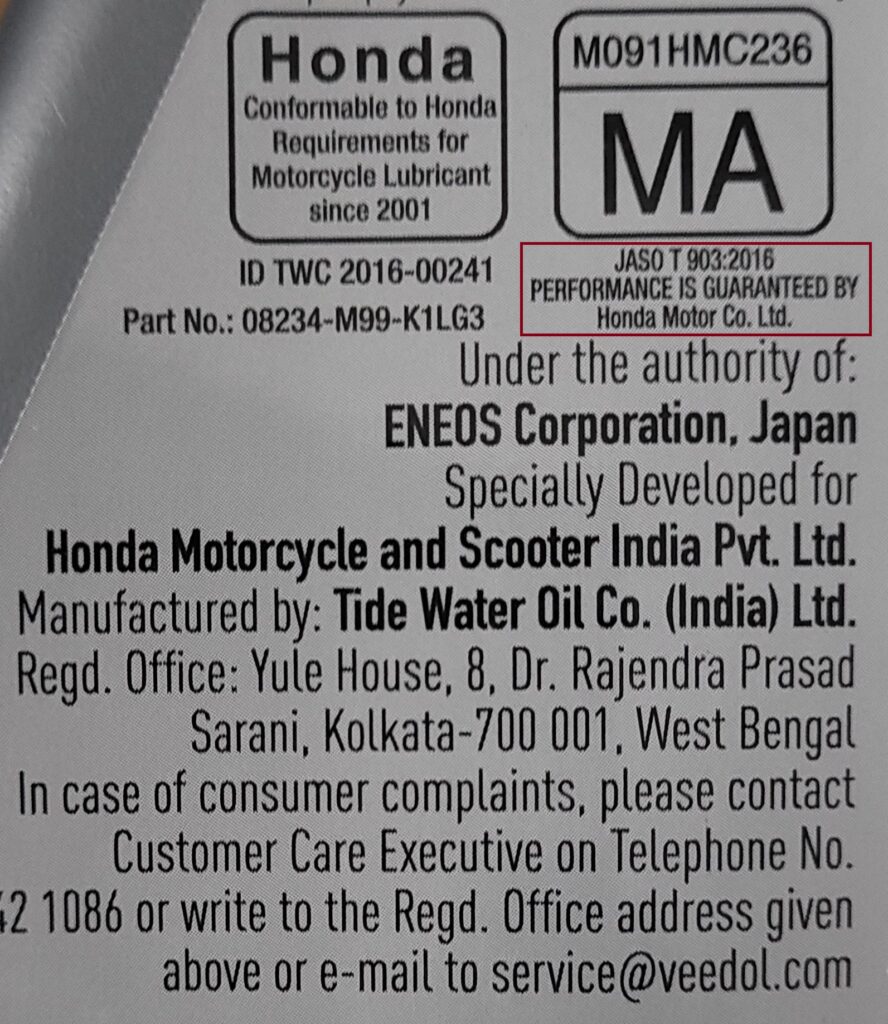
These engine oils are formulated to meet the specific requirements of the motorcycles manufactured by Honda,
These engine oils are formulated to meet the specific requirements of the motorcycles manufactured by Honda, to ensure optimal performance and protection for their engines.
Honda, obviously, must have invested millions in lab tests to finalize these formulations. Why should I go for anything else, when the OEM has done all the required tests and gives me tried and tested products, specifically formulated to perform in their engines to ensure engine performance, efficiency and longevity?
Hence, for me, the choice is obvious. I have the best engine oil for my CB 350 from the manufacturer- Honda. Since I have great faith in Honda, I do not need any of the aftermarket engine oils. Period.
A review of the 1st and 2nd free services of my Honda CB350 was pending for a while. Here are my impressions of the aftersales services done by the Bigwing Dealer in Kollam. You can read about my buying experience here
“Customer service is second to none.”
The first service was done at around 385 kms on the odo and the 2nd at around 5500 on the odo. The most pleasant thing on both these services was the service reminder call from the Honda Bigwing dealer at Kollam. I received at least 3 calls for the 1st service and 2 for the 2nd service. Thank you Bigwing Kollam.
At the service center
For the services, I went to the service center, which is a part of the showroom building, a bit earlier than the opening time. A warm welcome from the security personnel and giving access to the customer lounge- before the opening time, were indicators of the pleasant experience that was to follow.
“The ambience was inviting and comfortable”
Whiled away a few minutes by watching the Honda brand videos and browsing a few automobile magazines made available for the customers.
“Efficiency and punctuality are hallmarks of their service”
Right at 9am, the senior service engineer called me – mine was the first bike on the line, explained about the jobs to be done on the bike.
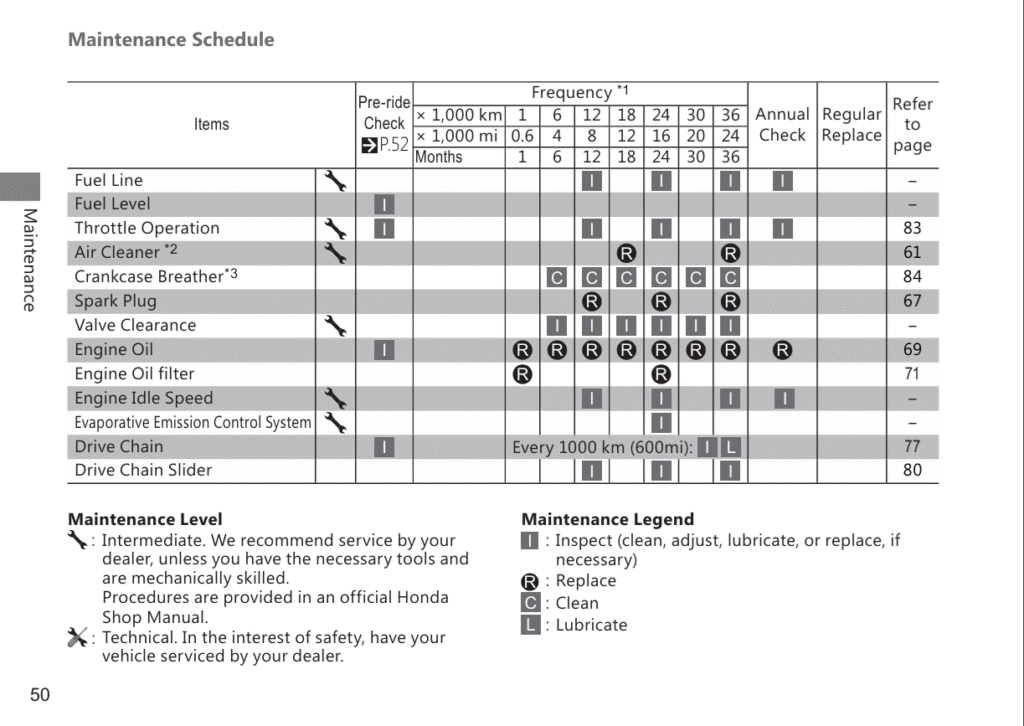
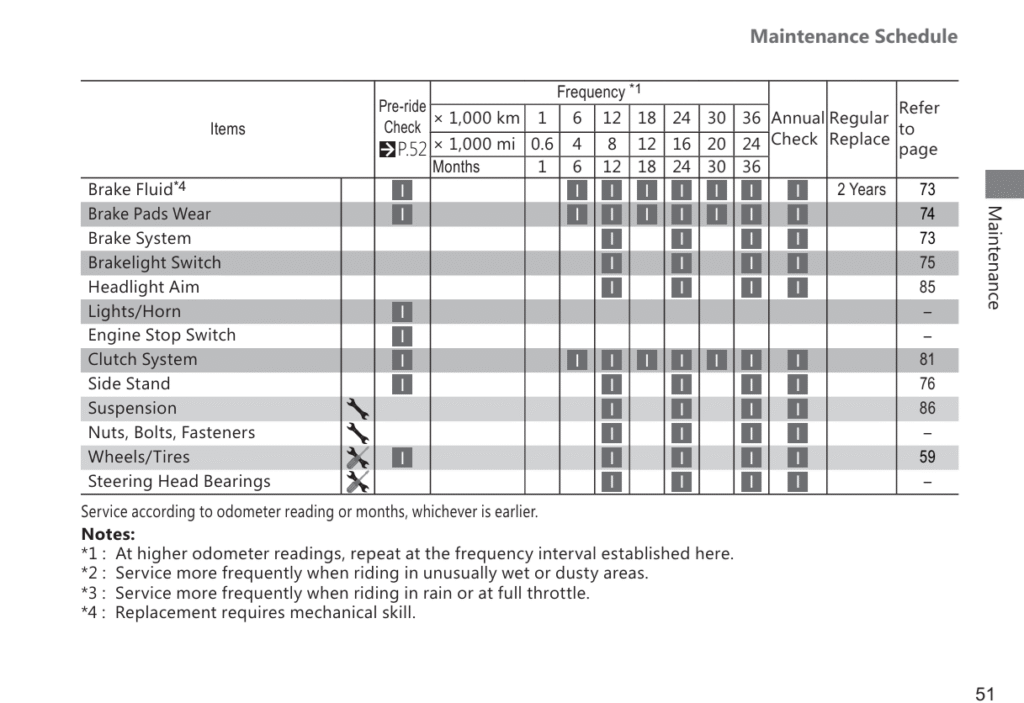
Since I made myself familiar with the maintenance schedule, I could easily understand. Still, I had a few questions. All my doubts got clarified and the job began. I could watch the entire process from the customer lounge.
The job
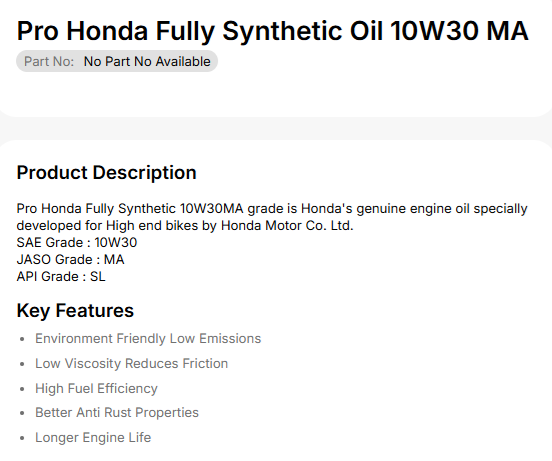
1st service was over quite quickly. Oil drained, filter changed, and the Pro Honda Synthetic oil went into the crankcase.
I prefer the OEM oils. Will give you the reasons in a later post.
All the required works as per the maintenance schedule were carried out promptly. May I say as per the textbook?
The young man who carried out the job was excellent in execution of the work. Absolute care was taken during the service to keep my bike in its pristine condition. No scratches, dents, tool marks or any misaligned parts.
“The technicians are friendly and highly skilled.”
Before billing, the service engineer explained the AMC policy which after going through the details, I opted for.
The 2nd free service
The 2nd service experience was almost exactly the same as the 1st one. A different technician at the work bench. However there is no dip in the quality of work done. The service quality is consistently outstanding, exceeding my expectations every time. As a bonus, upon my request, the service engineer along with the technician explained the correct way to adjust the slack of the chain.
To conclude:
I was absolutely overwhelmed by with their professionalism and customer service.
Transparent and honest pricing- value for money stamped in everything-even more when you go for the AMC
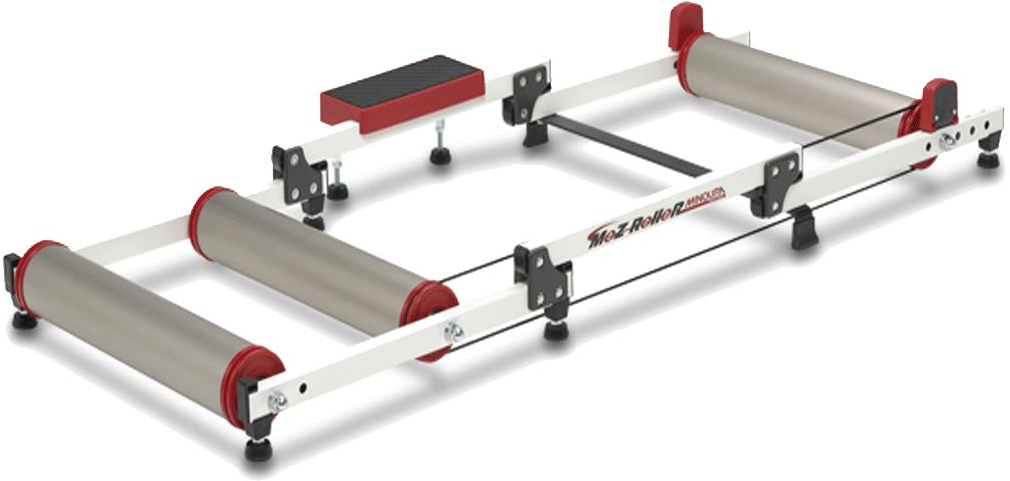
Indoor cycling may not provide the same thrills of riding a motorcycle out on the roads. Nevertheless, it can help you to develop and maintain your balance on the motorcycle. Winter and monsoon months may keep you indoors. However, a few indoor cycling sessions during the monsoon/winter can certainly increase your motorcycle handling and balance to a great extent. No. Not your stationary indoor bike. Not your bike bolted on a trainer. But cycling on rollers.
BTW rollers are three cylinders on a frame that sit on the floor, the bike is placed on top of them, and you pedal your bike.
Rollers help you work on and improve your balance. No explanation required.
They boost your mental sharpness. Lose focus, even for a fraction of a second – you fall
They work your core muscles. A strong core translate into long time comfort on the bike and keeps your back happy.
They help to improve bike confidence. An improved level of balance boosts your confidence on the motorcycle.
All these translate into better riding on a motorcycle. So, you wish to do some training on the rollers? Unless you are an avid cyclist, my humble suggestion is to go for a simple roller (often called dumb rollers) and a relatively inexpensive bike. Aim for a session lasting from 20 minutes to 1 hour. At the end of the monsoon or winter season, you will thank yourself for your indoor roller training.
The above is the video of my first ever session on my rollers
One caveat
Riding on rollers takes some skill and training. Even after you become proficient on rollers you can fall – if you lose your mental focus even for a split second. Start slowly and build up slowly. Always keep the rollers near a wall or inside a door frame while riding to help you with the unexpected loss of balance.
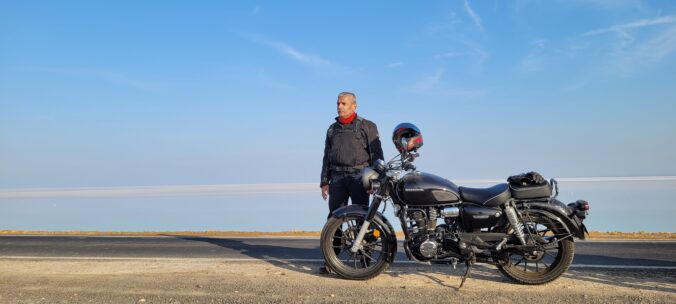
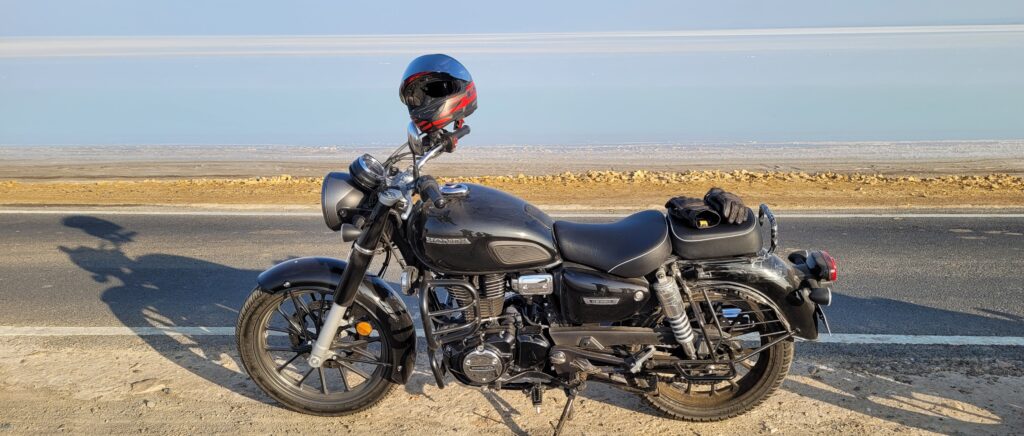
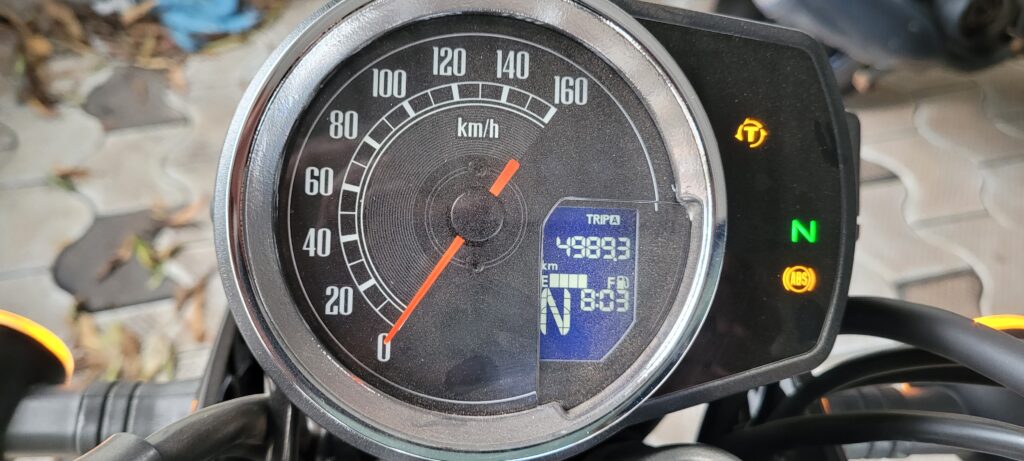
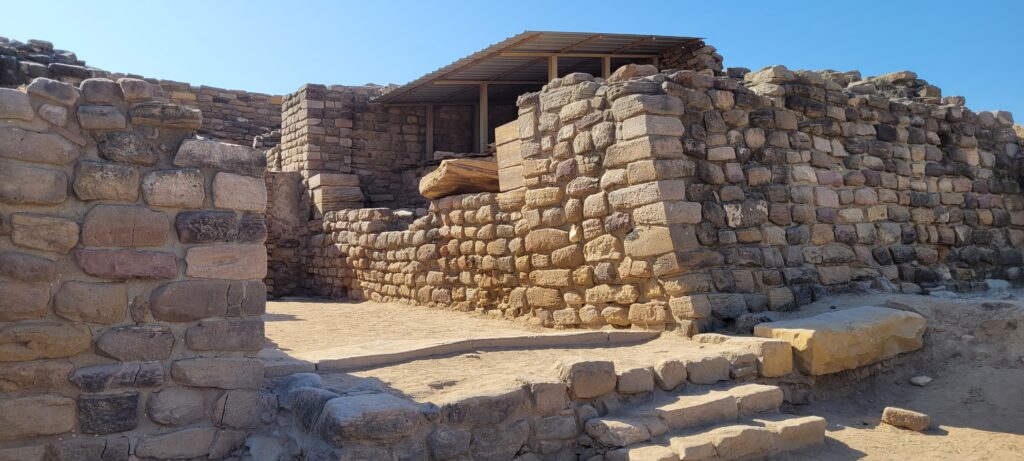
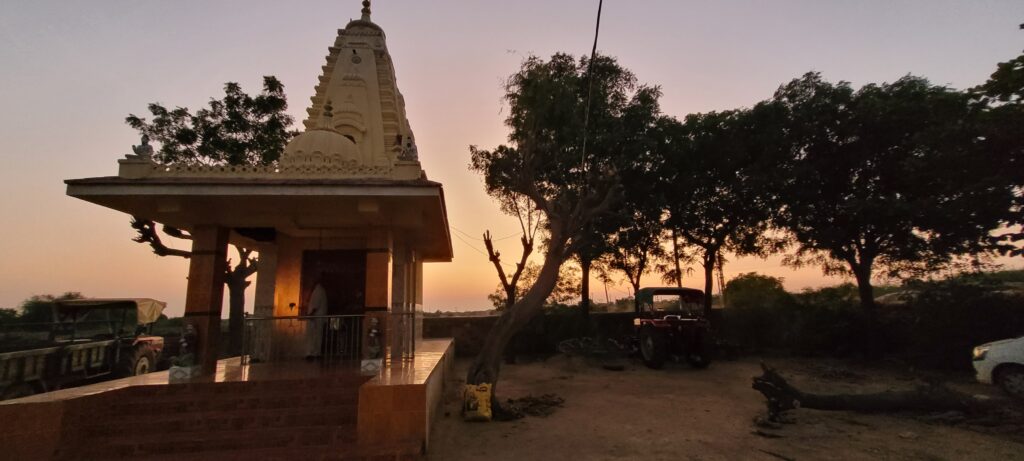
Well friends, I took my Honda CB 350 for one long ride. From Varkala, my home town to Dholavira, Kutch in Gujarat. The ride took a fortnight and 4989 kms. To read a little history on my Honda CB 350, please click here and here.
A rider may feel that for touring, a bigger, faster, large capacity bike or an adventure motorcycle should be the way to go. The Honda CB350 proves the above wrong. The air cooled CB350 can take on any distance and terrain (barring extreme off roads. Note: this is not an off-road vehicle).
The ride
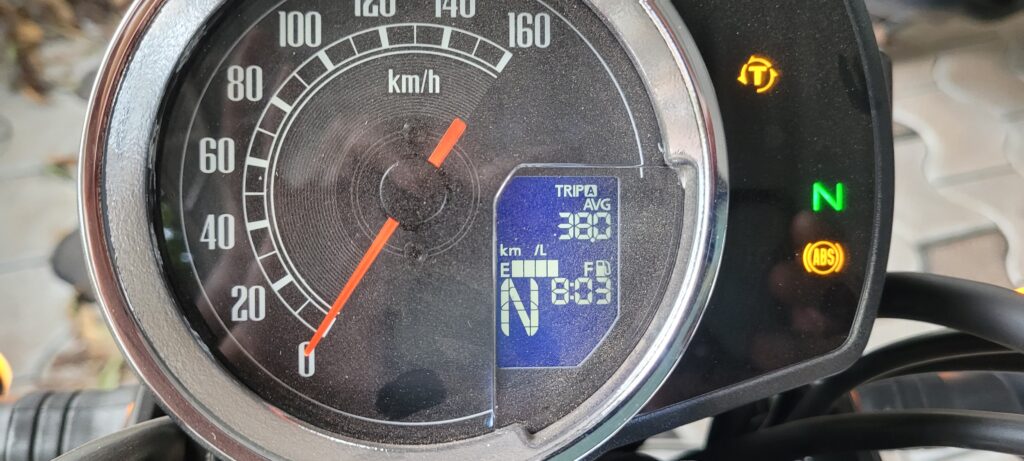
My ride took me through almost all types of roads in India and the bike performed extremely well. The handling – whether on the slippery mud pools after heavy rains, on the highways, in chaotic city traffic, surging ahead while overtaking, taking on the curves of the western ghats, on the wind ravaged plains of Kutch, gliding on the “eight lanes” of Goa- was superb and the CB 350 rolled on with utmost poise, while returning an excellent fuel consumption figure of 38kmpl. The CB350 was a pleasure to ride and maintain. Moreover, the assurance of the “Honda reliability” provided the much-needed peace of mind.
What is the bike like to live with? It has been with me for the past 9 months and clocked 5.8k kms and this will be with me for a few long years. What is it like? Compared to any of the “Hogs” and “crotch rockets” available in India, the CB350 may look deficient- on paper. However, please note that the CB350 is not designed to compete with the gargantuan cruisers or the ultra-fast performance bikes-it is designed for a very different purpose.
My take on the bike
Words will be too insufficient to describe the purpose of this bike, but for the rider, who has always dreamed for a thumper from the golden era of motorcycles, a bike that will take you to your destination in style, a bike on which you focus on the journey as much as arriving at the destination, will understand the purpose of this motorcycle.
It is a feeling. As the legendary composer Saint Thyagaraja said: “this feeling cannot be expressed, but something to be experienced”. With this bike you get most of the feel of an old single cylinder motorcycle, but you also get complete reliability of a Honda.
My CB350 started on the first crank. Every day – even on the coldest one. The engine is extremely smooth. Why do I say this? I have owned and ridden bikes for the last 40 years or so, the bikes that could make your palms and feet jittery with vibrations from the handlebars and the footrests. There is nothing of that sort in this Honda. I never felt any vibration on my palms or on my feet. The engine is quite, and the exhaust is silenced to a level that it is barely audible with my helmet on.
Performance is more than enough to cruise on the highways in India. The brakes coupled with the ABS are well matched to the performance of the bike. The handling is light and superb. Comfort? For me at 5’8” and 84 kilograms plus the saddle bag and contents of about 20 kilograms it was excellent. The headlights lit up the roads whenever required, and the brightness and throw are sufficient for sedate cruising.
Is this a “cruiser” bike?
Yes and No. If you go by the accepted classification of the motorcycles – ie. Cruiser, Sports, Sports tourer etc., this is not a cruiser bike. However, if you go by a few characteristics of a cruiser bike – ” a motorcycle that is meant to enjoy the ride”, “not to race from A-to-B”, “a relaxed riding position”, “a long wheelbase”, “a smooth riding experience”, well, the answer is Yes.
A few snapshots:
Conclusion
Overall, the bike performed extremely well till now. Will update when I cross the next 5k to 5.5k.
How I Protect my Motorcycle in the Monsoon Season – and Year Round.
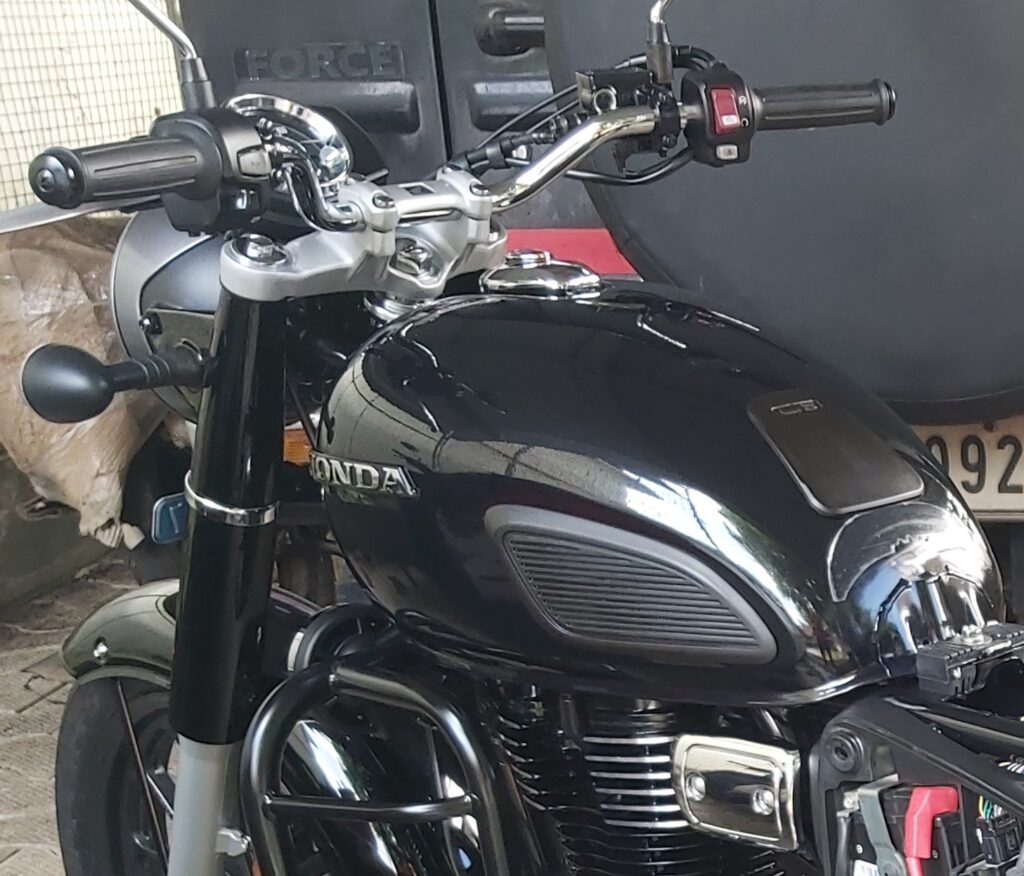
The CB 350 from the show room, shined like a black pearl.
Now, after ten months and 5.5k kilo meters on the odo, it still is in the same condition, barring a few microscopic spots of corrosion. Here are my thoughts on keeping one’s steed in pristine condition, irrespective of the weather conditions or the kilo meters the motorcycle clocks.
The best way to protect a motorcycle from corrossion is proper maintenance and storing.
Moisture and humidity can be harsh and unforgiving on a motorcycle. In Kerala, the weather is humid all through the year. Wind from the sea brings in salt in the humid air to make matters worse. If some preventive maintenance is not done and the motorcycle is not stored properly, the glittering jewel will soon show signs of corrosion. Here are a few things that I do to keep my steed in showroom condition.
Some elbow grease
Overnight, I keep the motorcycle covered. I use the Honda Bigwing supplied motorcycle cover. This helps to reduce the condensation on the smooth paint and chrome a lot. This condensation, along with the dust that settles later, is the main cause of pitting on the paint and chrome. Therefore, I make it a habit, a daily must to do in the morning, to wipe the condensation off the motorcycle. I use a quality microfiber towel or use a clean, lint free used t shirt.
The added advantage of cleaning a motorcycle every day is that I will notice any loose bolts or nuts, any oil leaks, any broken wires etc. (Since this is a Honda, no such thing has ever happened.) For me, this cleaning is the best preventive maintenance I can do to keep corrosion at bay.
If I ever ride my motorcycle in rain or through waterlogged roads, after such a ride, as soon as possible, I wash my ride and dry it thoroughly. Remember. Salt in the humid air, dirt and other chemicals on the road can create pitting and rust. A clean motorcycle is less likely to rust.
In addition to the daily cleaning, washing after a ride in wet, muddy roads, I use anti corrosion treatment on my motorcycle. Initially I used carnauba wax to protect the paint and chrome.
Anti corrosion treatment
“Keep your precious steed in tip-top condition with the Muc-Off Harsh Condition Barrier. With a state-of-the-art thin film coating, it’ll make light work of rust and corrosion. It’s the perfect upgrade for winter months, or to keep your bike looking fresh all year long – as you’ll have 12 months of protection.”
During the onset of current monsoon, I decided to go for an anti-corrosion treatment. I searched for the most effective and pocket friendly anti-corrosion treatment available in India. Zeroed in on the Muc-off HCB-1. The HCB stands for Harsh Conditions Barrier.
“HCB-1 is suitable to use on all bicycles, e-bikes, motorcycles, e-moto bikes, UTVs, ATVs, quads, side-by-sides, snowmobiles, jet skis and other watercraft – just check around your weapon of choice and look out for signs of corrosion and apply.”
I followed the instructions from the Muc-Off webpage and the results appear quite good.
The whole bike got a liberal application of the spray and I let the product to cure for the manufacturer suggested 24 hours.
“It’ll keep moisture out, creating a durable anticorrosive layer of protection on your bike’s frame, chain, metal parts, plastics and paintwork. And on parts that have already got some rust showing, it’ll get rid of it altogether.”
Now I can ride the bike in rains and on wet roads if necessary with some peace of mind. Hope the product will give protection for 12 months as the manufacturer claims.
Will update in a few weeks. Till then happy riding.
To start with, my passion for two wheelers refuses to die. The uncontrollable itching for a new motorcycle forced me to take the plunge and the search began about two years back.
I have owned two Royal Enfields, one a cast iron 350 and another a Machusmo AVL 500cc. So my first thoughts were to go for a motorcycle from the same manufacturer, perhaps the new J platform 350cc Classic or Meteor. The J platform design is light years ahead of the CI and AVL models – so say many reviews. However, my past experience regarding the intensive attention required from the owner/rider for regular maintenance, my reluctance to tinker with the motorcycle (which I did enjoy a lot in my younger days) pushed me away from this brand.
The initial choice
Since I was planning for solo rides, my search focussed on bikes of smaller capacity and size. Finally zeroed in on the Honda CB300F. Why Honda? Well, the bomb proof reliability. These bikes were sold and serviced by the Bigwing dealers of Honda. I called a friend of mine who is working in a Honda dealership – not the Bigwing, at Kollam. He directed me to a contact of him in the Kollam Bigwing. The response from the Bigwing Kollam was instantaneous. The sales executive called me and arranged for a visit to the showroom.
I went to the showroom and felt somewhat disappointed by the CB300F. The motorcycle looked and felt excellent and well within the price range I have in my mind. However, the bike felt too small for my liking and lacked the relaxed riding posture I was looking for. My fault. I made my choice from looking at the web images and videos.
The decision
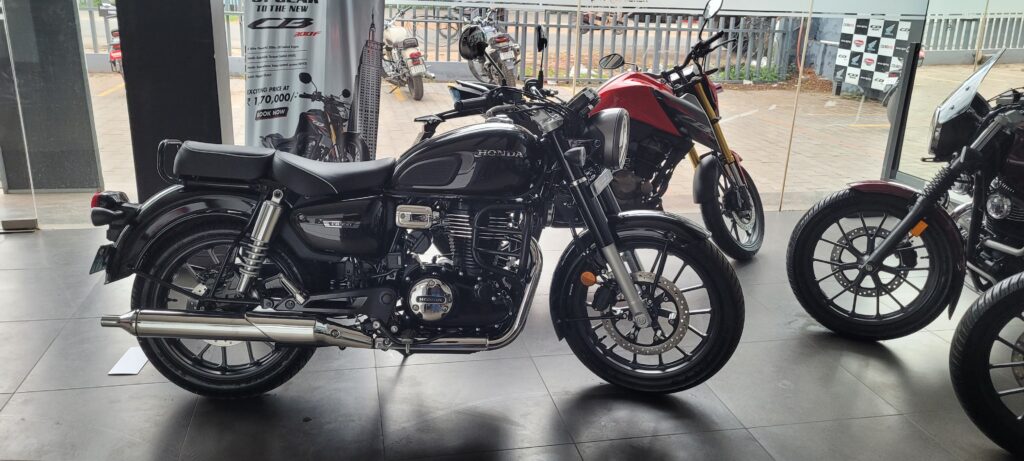
As I turned back my eyes fell on the beauty parked nearby – the New Honda CB350 DLX PRO in complete touring attire. Wow! Love at first sight! Decision made. What the Honda says about this bike is:
“The thunderous power, the fearless stance, the exhilarating rush of the open roads – a legend rises, CB350, where tech-meets-bold riding, with its timeless style and brave presence, itʼs your trusted sidekick. Gear up to charge with the 2025-ready OBD-2B standards.”
Every word in the above paragraph barring the thunderous power, is true. A timeless classic married to modern tech!
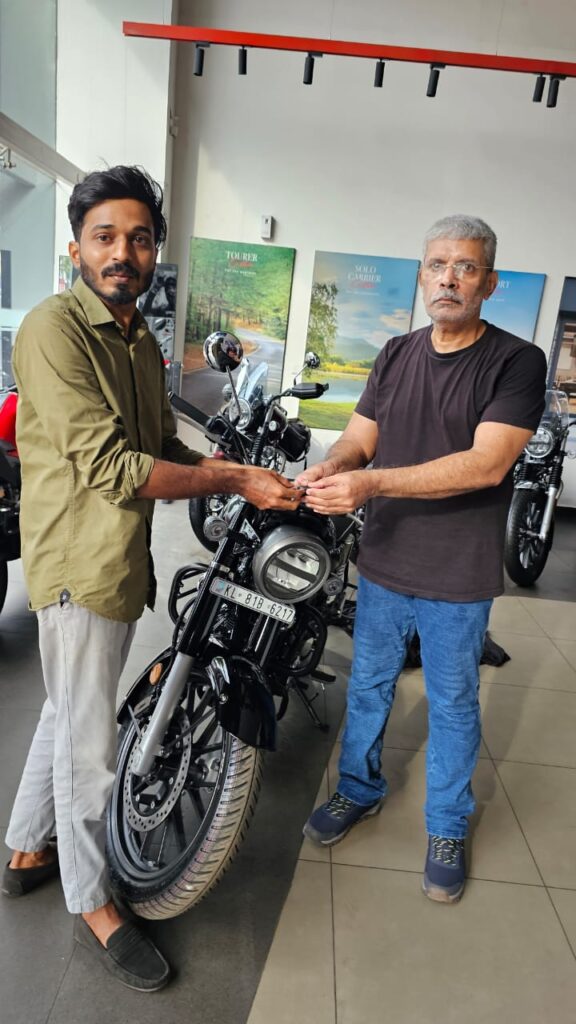
Booked one. I went for the base variant, the DLX. Paperwork started and the motorcycle was ready for delivery by the 5th of September 2024. Took delivery on the 8th September.
Rating for the Customer Service:
Responsiveness: 5/5. Highly responsive
Helpfulness: 5/5. Was ready to help and guide at every moment of the sales process and delivery
Overall Customer Service Experience: 5/5. Right from the initial phone call to the time of delivery, the sales executive and the team at the show room were receptive and extended excellent service. The courteous behaviour, the patience with which they listened to my queries (there were a few), the educated answers and solutions they provided, the guidance and assistance for the paperwork and finally, taking the time on a Sunday morning to deliver the vehicle-the experience was mind-blowing. (This continues with the service team…will write about the service experience later.) Unquestionably, the buying experience at Honda Bigwing Kollam was exceptional
Recommendations:
Would I recommend this product/company to others? Yes. Strongly recommend this product and this dealership.
Would I purchase from this company again? Yes. Without any doubt.